
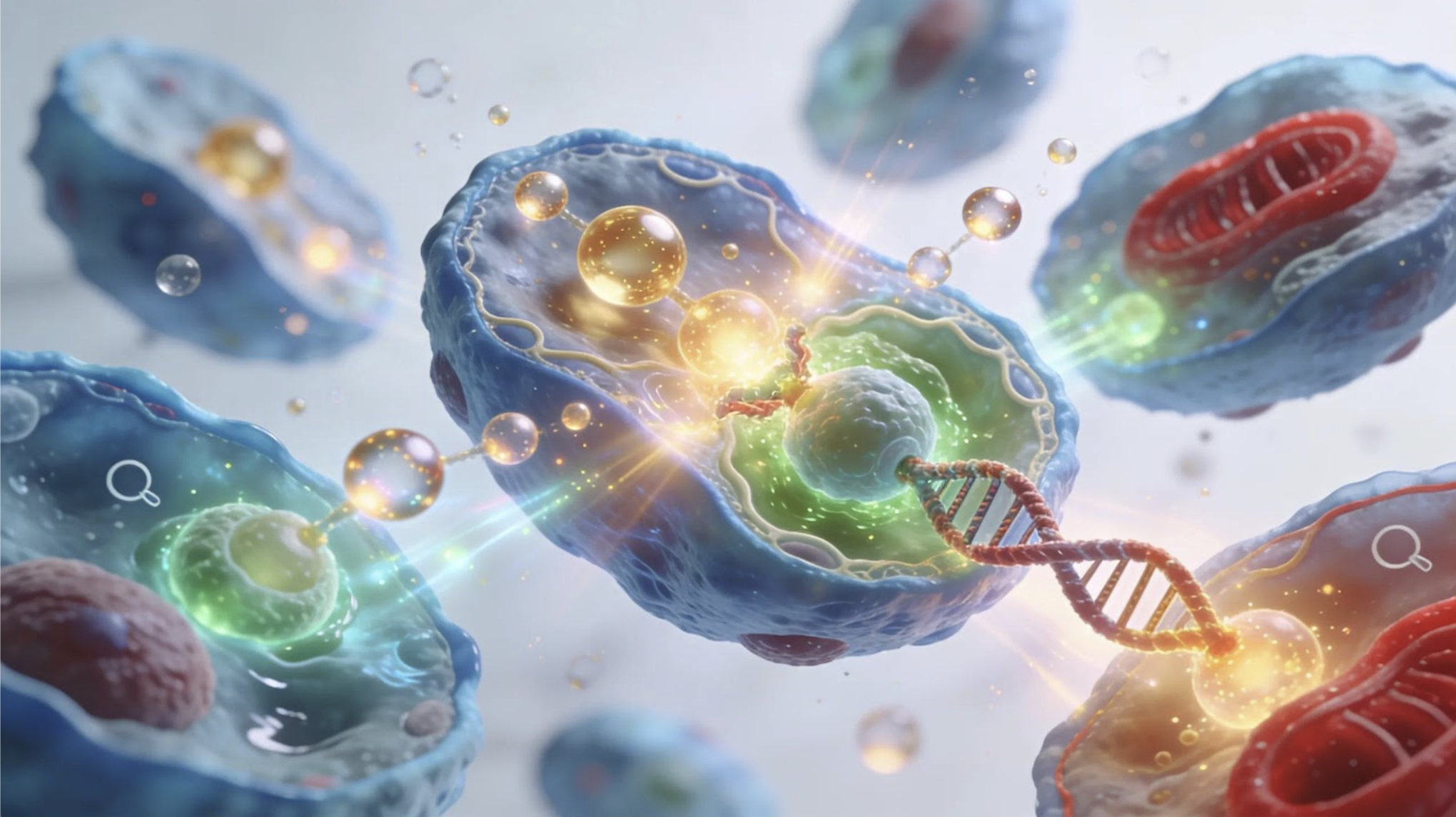
Hyperbaric Oxygen Therapy (HBOT) is a clinical treatment that involves breathing pure oxygen in a pressurized room or chamber, promoting tissue repair and enhancing healing processes. In recent years, HBOT has garnered attention for its potential benefits beyond traditional applications, including its role in regenerative medicine and anti-aging therapies. This article delves into the clinical insights of HBOT, exploring its benefits, mechanisms, and applications, particularly in the context of aging and tissue repair. It addresses common questions and anticipated experiences patients may have in clinical settings, providing key information for those considering this therapy. We will review the key clinical benefits of HBOT, how it relates to the biological hallmarks of aging, and what patients can expect during treatment.
What Are the Key Clinical Benefits of Hyperbaric Oxygen Therapy?
HBOT offers numerous clinical benefits by addressing various physiological needs in the body. Its use in medicine can enhance recovery and provide therapeutic effects in numerous conditions.
Some key benefits of HBOT include:
- Enhanced Tissue Repair: HBOT stimulates collagen production and supports cellular regeneration, which is essential for healing chronic wounds and injuries. Clinical evidence demonstrates that increased oxygen availability promotes fibroblast activity, angiogenesis, and epithelialization, all critical to wound closure and tissue restoration.
- Inflammation Reduction: By decreasing oxidative stress and promoting antioxidant mechanisms, HBOT reduces inflammation, thereby supporting recovery processes. It modulates immune responses through downregulation of pro-inflammatory cytokines and upregulation of anti-inflammatory factors, leading to improved outcomes in inflammatory conditions.
- Improved Oxygenation: This therapy increases oxygen supply to tissues, aiding in the healing of tissues that are poorly perfused. Through the dissolution of oxygen directly into plasma under hyperbaric conditions, oxygen reaches hypoxic or ischemic tissues beyond the capacity of hemoglobin transport.
To systematically compare these benefits, the following table summarizes the specific advantages of HBOT and supporting evidence.
| Benefit | Evidence | Application |
|---|---|---|
| Enhanced Tissue Repair | Studies show an improvement in wound healing in diabetic patients, including accelerated closure and reduced infection rates | Effective for chronic non-healing wounds, burns, and surgical recovery |
| Inflammation Reduction | Clinical trials indicate decreased markers of inflammation such as CRP, IL-6, and TNF-α | Useful in conditions like carbon monoxide poisoning, arthritis, and autoimmune disorders |
| Improved Oxygenation | Research supports enhanced oxygen transport and perfusion in radiation-induced injuries and ischemic tissues | Beneficial in various conditions including radiation injuries, ischemic ulcers, and compromised blood flow |
These benefits collectively contribute to the growing interest in HBOT within clinical settings, highlighting its potential as a powerful tool in modern medicine.
How Does HBOT Enhance Cellular Oxygenation and Tissue Repair?
HBOT enhances oxygen delivery to tissues by creating a higher oxygen pressure environment. In this state, oxygen is dissolved into the plasma, allowing for greater oxygen saturation beyond the hemoglobin capacity. This dissolved oxygen penetrates deeper tissue layers, reaching areas with limited blood supply due to vascular impairment or trauma. By facilitating increased metabolic activity, HBOT stimulates essential cellular repair mechanisms including enhanced ATP production, oxidative phosphorylation, and cellular proliferation.
Research indicates that HBOT activates multiple molecular pathways promoting tissue repair, such as upregulating growth factors (VEGF, EGF), stimulating fibroblast proliferation, and increasing collagen synthesis. These combined effects expedite the healing of hypoxic wounds and improve recovery from ischemic injuries.
In What Ways Does HBOT Reduce Oxidative Stress and Inflammation?
Oxidative stress arises from an imbalance between reactive oxygen species production and antioxidant defenses, resulting in cellular damage. HBOT paradoxically induces a controlled oxidative stress that triggers hormesis, a process whereby mild stress enhances the body's natural defense systems.
HBOT elevates systemic antioxidant enzyme levels, including superoxide dismutase, catalase, and glutathione peroxidase, which collectively neutralize harmful free radicals. Concurrently, HBOT modulates immune responses by decreasing the activation of inflammatory pathways such as NF-κB and reducing pro-inflammatory cytokines IL-1β, IL-6, and TNF-α. This dual action not only lowers existing inflammation but also enhances tissue resilience against future oxidative insults.
Clinical studies report symptomatic improvements in inflammatory conditions like rheumatoid arthritis, chronic wounds, and neuroinflammatory disorders with HBOT treatment.
How Does HBOT Influence the Biological Hallmarks of Aging?
Research indicates that HBOT could play a significant role in addressing key biological markers of aging. Aging involves progressive accumulation of cellular damage, including oxidative stress, telomere shortening, mitochondrial dysfunction, and increased senescent cell populations. HBOT has been studied for its potential to rejuvenate aging tissues and improve cellular function by targeting these fundamental processes.
Aging hallmarks influenced by HBOT include:
- Cellular Senescence: HBOT may reduce the burden of senescent cells, which accumulate with age and contribute to chronic inflammation and tissue dysfunction.
- Telomere Length: Experimental evidence suggests HBOT can positively affect telomere maintenance, potentially supporting prolonged cellular replication capacity and genomic stability.
- Mitochondrial Function: By enhancing oxygen supply, HBOT supports mitochondrial biogenesis and improves the efficiency of ATP generation, restoring cellular energy metabolism typically diminished with age.
What Is the Impact of HBOT on Cellular Senescence and Telomere Length?
Recent studies indicate that HBOT protocols involving repeated sessions can induce significant elongation of telomeres in immune cells, an indicator of cellular rejuvenation. Telomeres act as protective caps on chromosomes that normally shorten with each cell division, leading to senescence when critically reduced.
The hyperoxic environment of HBOT improves the enzymatic activity of telomerase, the enzyme responsible for telomere extension, and reduces oxidative damage contributing to telomere attrition. Additionally, HBOT reduces the proportion of senescent immune cells, diminishing the pro-inflammatory Senescence-Associated Secretory Phenotype (SASP) that exacerbates aging and chronic disease progression.
HBOT's Impact on Telomere Length and Cellular Senescence in Aging
Aging is characterized by the progressive loss of physiological capacity. At the cellular level, two key hallmarks of the aging process include telomere length (TL) shortening and cellular senescence. Repeated intermittent hyperoxic exposures, using certain hyperbaric oxygen therapy (HBOT) protocols, can induce regenerative effects which normally occur during hypoxia. The aim of the current study was to evaluate whether HBOT affects TL and senescent cell concentrations in a normal, non-pathological, aging adult population. Hyperbaric oxygen therapy increases telomere length and decreases immunosenescence in isolated blood cells: a prospective trial, 2020
How Does HBOT Modulate Aging Biomarkers and Mitochondrial Function?
HBOT enhances mitochondrial function by increasing oxygen availability required for oxidative phosphorylation—the primary pathway for cellular energy production. Clinical research highlights improved mitochondrial membrane potential, increased mitochondrial numbers (biogenesis), and enhanced ATP production following HBOT treatment protocols.
Importantly, HBOT elevates levels of NAD+ and activates longevity-associated enzymes such as Sirtuin 1 (SIRT1), which regulate multiple aspects of cellular metabolism, DNA repair, and antioxidant defense. Enhanced mitochondrial function contributes to reduced cellular senescence, improved metabolic health, and resilience against age-related degeneration.
What Are the Clinical Protocols and Technologies Behind HBOT Treatments?
The application of HBOT is governed by rigorous clinical protocols designed to optimize patient safety and maximize therapeutic outcomes. These protocols specify chamber types, pressure levels, session durations, and treatment frequencies appropriate for various clinical indications.
The two primary aspects of clinical protocols include:
- Hyperbaric Chamber Types: Different types of hyperbaric chambers are used in clinical settings, including monoplace and multiplace chambers, each suited to different treatment requirements and patient capacities.
- Session Structure: Sessions are carefully structured with precise pressure settings (typically between 1.3 and 2.8 ATA) and durations (usually 60 to 120 minutes) incorporating intermittent air breaks to mitigate oxygen toxicity risk.
What Types of Hyperbaric Chambers Are Used in Clinical Settings?
In clinical settings, HBOT utilizes two primary chamber types:
- Monoplace Chambers: Single-patient chambers that deliver 100% oxygen at controlled pressures, often preferred for targeted outpatient treatments.
- Multiplace Chambers: Larger chambers capable of treating multiple patients simultaneously; these chambers administer pressurized air with patients breathing pure oxygen via masks or hoods, typically used in hospital environments for complex or emergency cases.
Each chamber type follows specific safety standards and clinical protocols to ensure effective oxygen delivery while preventing potential complications such as oxygen toxicity or barotrauma.
How Are HBOT Sessions Structured for Safety and Effectiveness?
HBOT sessions are precisely engineered to balance efficacy with patient safety. Typical sessions last between 60 to 120 minutes, conducted at clinically validated pressure levels. To prevent oxygen toxicity, air breaks (periods where patients breathe normal air) are integrated every 20 to 30 minutes.
During sessions, patients are continuously monitored by trained medical staff who assess vital signs and chamber conditions. Protocols include gradual compression and decompression phases to minimize barotrauma risk, especially in the ears and lungs. The number and frequency of sessions are individualized, based on therapeutic goals and patient responses, commonly ranging from 20 to 60 treatments over several weeks.
Strict contraindications and pre-treatment evaluations help identify patients unsuitable for HBOT or requiring modified protocols.
What Should Patients Expect During HBOT in Chicago’s Clinical Environment?
Patients undergoing HBOT in clinical environments such as Chicago can anticipate a comprehensive and carefully managed treatment process designed around patient safety, comfort, and individual medical needs.
Typical expectations include:
- Pre-treatment Assessments: Comprehensive medical evaluations including physical examination, review of medical history, and diagnostic testing to determine suitability and tailor treatment plans.
- Personalized Care: Customized treatment protocols accounting for specific health conditions, therapy goals, and patient tolerance to optimize outcomes.
- Supportive Environment: Treatment in state-of-the-art facilities staffed by certified hyperbaric medicine practitioners providing ongoing patient support and monitoring.
How Is Personalized Care Provided in HBOT-Based Regenerative Treatments?
Personalized care in HBOT treatments involves detailed patient profiling to customize chamber pressure, session duration, frequency, and adjunct therapies. Treatment plans are adjusted dynamically based on periodic assessments of patient progress, biomarker monitoring, and tolerance levels.
Collaborative care between hyperbaric physicians, specialists, and patients ensures that therapies align with overall health goals, whether focusing on wound healing, neurological recovery, or anti-aging benefits. Advanced diagnostic tools, including oxygen saturation and inflammatory marker assessments, guide protocol refinement.
What Safety Measures and Potential Risks Should Patients Know?
HBOT has an excellent safety profile when administered according to established guidelines. Nonetheless, awareness of potential risks and preventive measures is essential.
Safety Measures include:
- Pre-treatment screening to identify contraindications such as untreated pneumothorax, certain respiratory disorders, and specific medication interactions.
- Continuous monitoring during sessions for oxygen toxicity symptoms, ear barotrauma, and claustrophobia.
- Incorporation of air breaks and controlled compression/decompression sequences.
Potential Risks (generally low incidence) include:
- Barotrauma to ears, sinuses, or lungs due to pressure changes.
- Oxygen toxicity manifesting as seizures or pulmonary effects at excessive pressures.
- Temporary vision changes or fatigue.
Patients are encouraged to maintain open communication with their care teams to address any concerns promptly, ensuring safe and effective treatment experiences.
Take Control of Your Health Today
Ready to explore how regenerative medicine and longevity optimization can transform your life? Schedule a discovery call with our team.